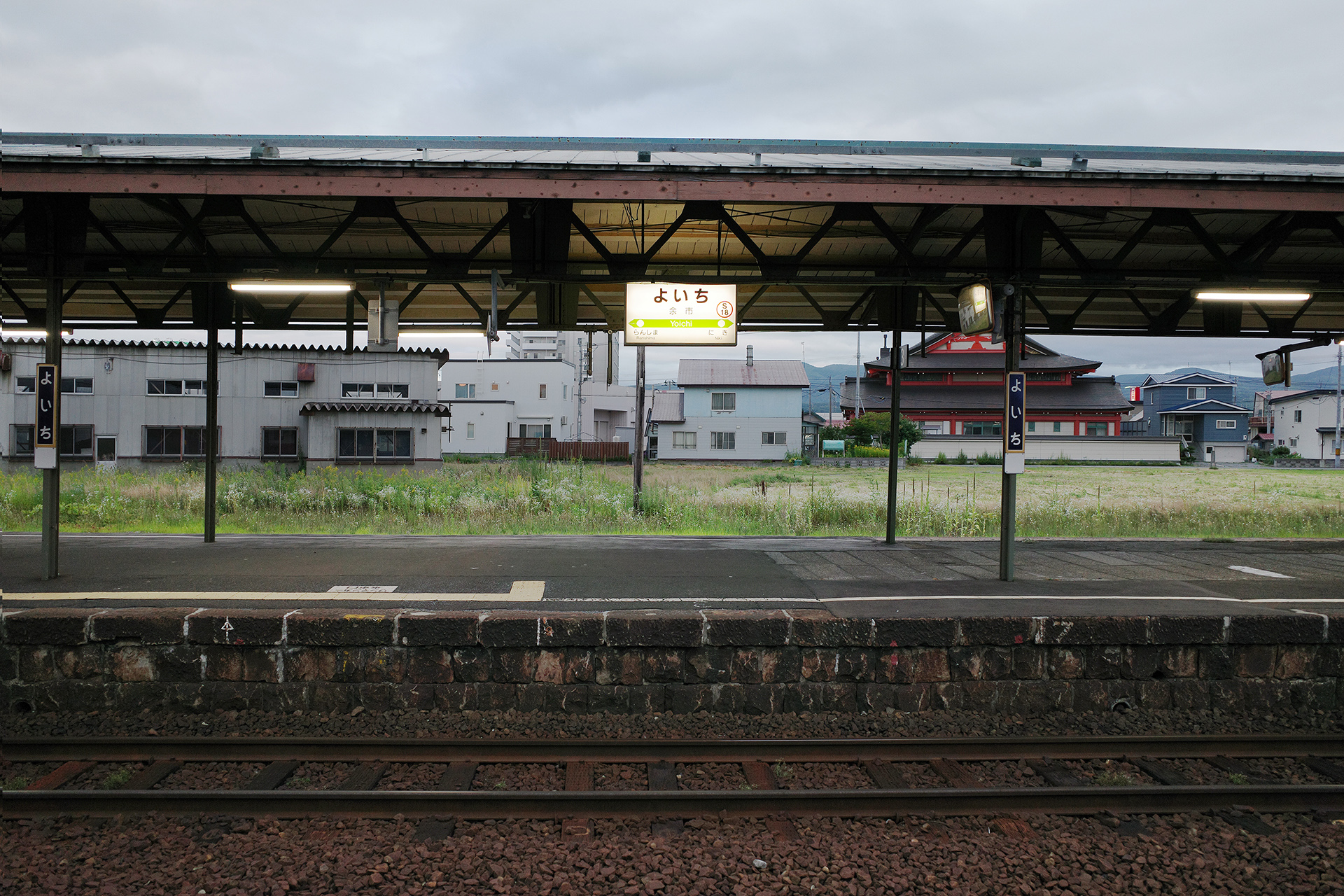
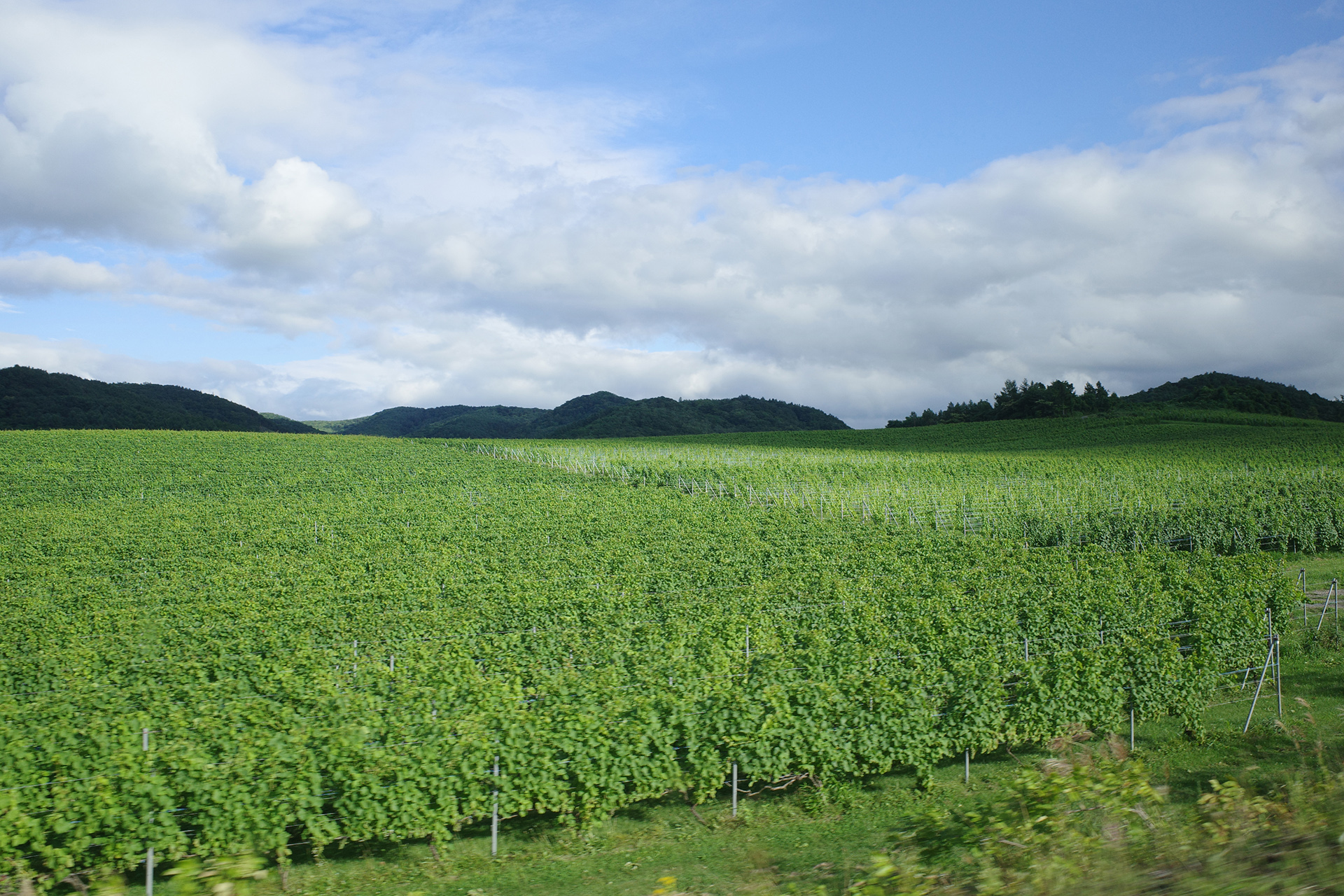
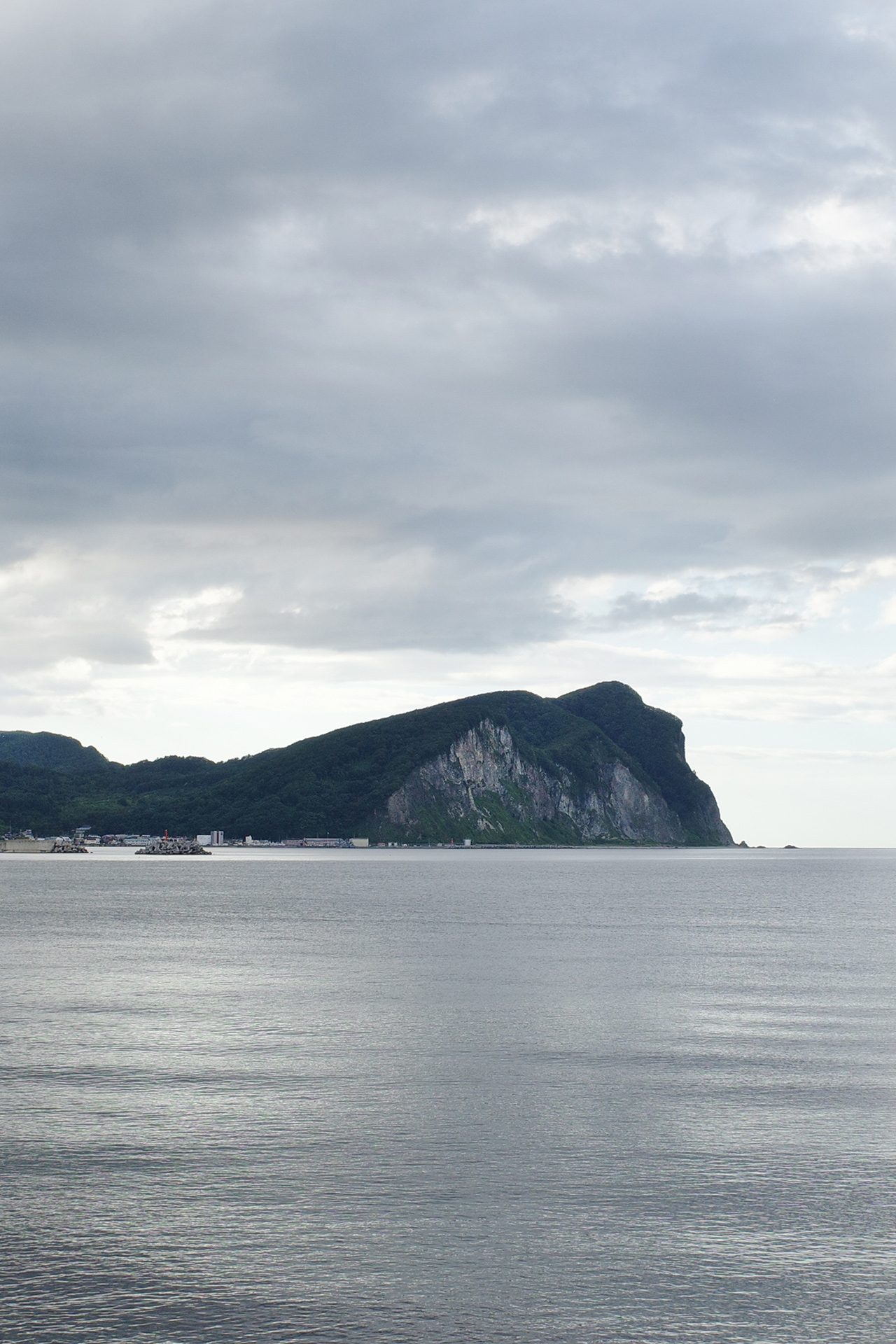
Recurring themes in Sagawa’s work include a sense of mediation—between urbanity and the natural world; the tension between interior and exterior spaces; and the uniquely intense presence of the ocean, which appears frequently and with ferocity in her poems. Sagawa’s poems are lush with abundant nature, and yet her handling of such themes differs sharply from established poetic traditions such as the pastoral, or the treatment of nature in Japanese waka (haiku and tanka) poetry. They are also profoundly linked to her birthplace, Hokkaido, a remote and northernmost island of Japan, with its severe and rugged landscape, as well as its history as an indigenous Ainu territory, and its subsequent history as a site of Japanese settler colonialism. Though Sagawa did not have Ainu heritage, her poetry depicts nature as autonomous and to be held in awe—suggesting that Hokkaido is a possible link to understanding Sagawa from the perspective of ecopoetics.
Reflections on the Topos of Sagawa Chika
Night’s mouth opens. Forests and clock towers are spit out.
The sun stands up and runs along the street of blue glass.
The city is cut into slivers of music by cars and skirts
And dives into the display window.
The fruit shop smells like morning.
Even there the sun multiplies in blue.
People throw rings into the sky.
In order to capture the suns.
Seagulls flew about
Like torn bits of clouds.
The ocean is white and wet
As if with scattered pollen.
And the waves chase each other.
Beach roses bloomed
All across the sandy shore at noon.
This faded pink garland
Will inscribe your initials
Above the ocean.
It was a great rainbow decorated with youth.
On the terrace, people grow sparse
Girls press seashells to their ears
And listen to the fading sound
Of the voices of summer.
2022 at Aoyama Gakuin University,
Tokyo Japan
On “Green”
Kawasaki: This is it. I chose the poem “Midori”, because when I met Chika Sagawa, or when I positioned her as an important poet in my heart, many people For example, the name of Yumi Sato came up earlier, but I think you can count the impact of how someone read Chika Sagawa and what kind of things they said.
For me, I loved Junzaburo Nishiwaki and Minoru Yoshioka, and for me, poets who are gods of modernism poetry. Taeko Tomioka touched on the last line, “I was abandoned by people. He said that it was rare for a poet to become a poet by writing down what he said, and that really piqued my interest. Read this.
“green”. From the balcony in the morning, waves rush in / Everywhere is overflowing / I almost drown in the mountain road / I hold my breath every time I fall into a daze / In my sight The city opens and closes like a dream / They crumble around it in a frightful way / I’ve been abandoned. Could you please turn over?
yes. First of all, I don’t know if it’s okay to point out the writing style and narrative in this modern poem, but I’m a prose person, so I tend to read things like that. I feel the beauty of movement as dynamics. So, the poetic line as dynamics and this destructive power of verbs. ‘, ‘overflowing’, ‘almost drowning’, ‘lean forward’, and ‘collapse with terrifying force’. .
So, that continuous transformation and its continuation, this continuation also includes the Bergsonian continuation of life, and that continuation, um, this is also in Chika Sagawa’s poem. It often happens, but the last line is very cutting and imprints something on the reader. The intensity of this cutting, this dislocated “I” is very interesting. Teacher, could you turn over one more sheet?