Sagawa Chika is known to have been “rediscovered” in recent years, but in the 1920s and 1930s, when she was active as a poet in Tokyo, she was far from invisible, and was in fact deeply respected by many of the most prominent poets and editors of the time, including Hagiwara Sakutaro, Nishiwaki Junzaburo, Haruyama Yukio, and later, Yoshioka Minoru. Not long after arriving in Tokyo at age 17, Sagawa met Kitasono Katsue, himself a central figure in the community, who became one of her greatest champions. He seemed to instantly recognize her ability, even within an eclectic community of avant-garde poets inspired by modernist poetics and aesthetic experimentation. Glimpses into her close friendship with the poet Ema Shoko reveal aspects of Sagawa as a young woman in Tokyo in the 1920s and 30s, and a selection of tributes published upon her death show profound respect for her poetry. The two postcards written by Sagawa are from the private collection of John Solt, whose monograph on Kitasono Katsue left the door ajar for future (Anglophone) Sagawa scholarship to come.
Two postcards to Kitasono Katsue from Sagawa Chika
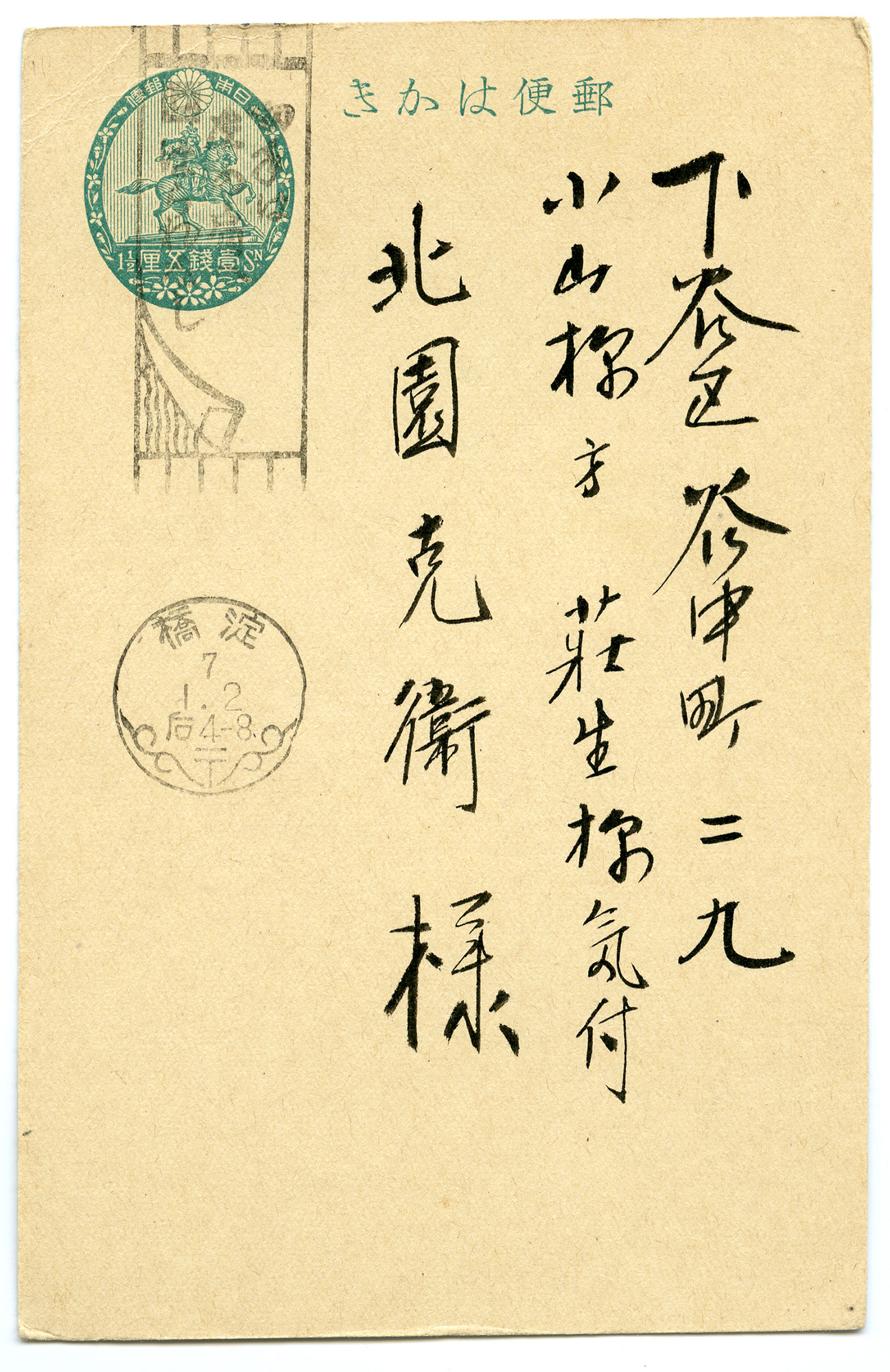
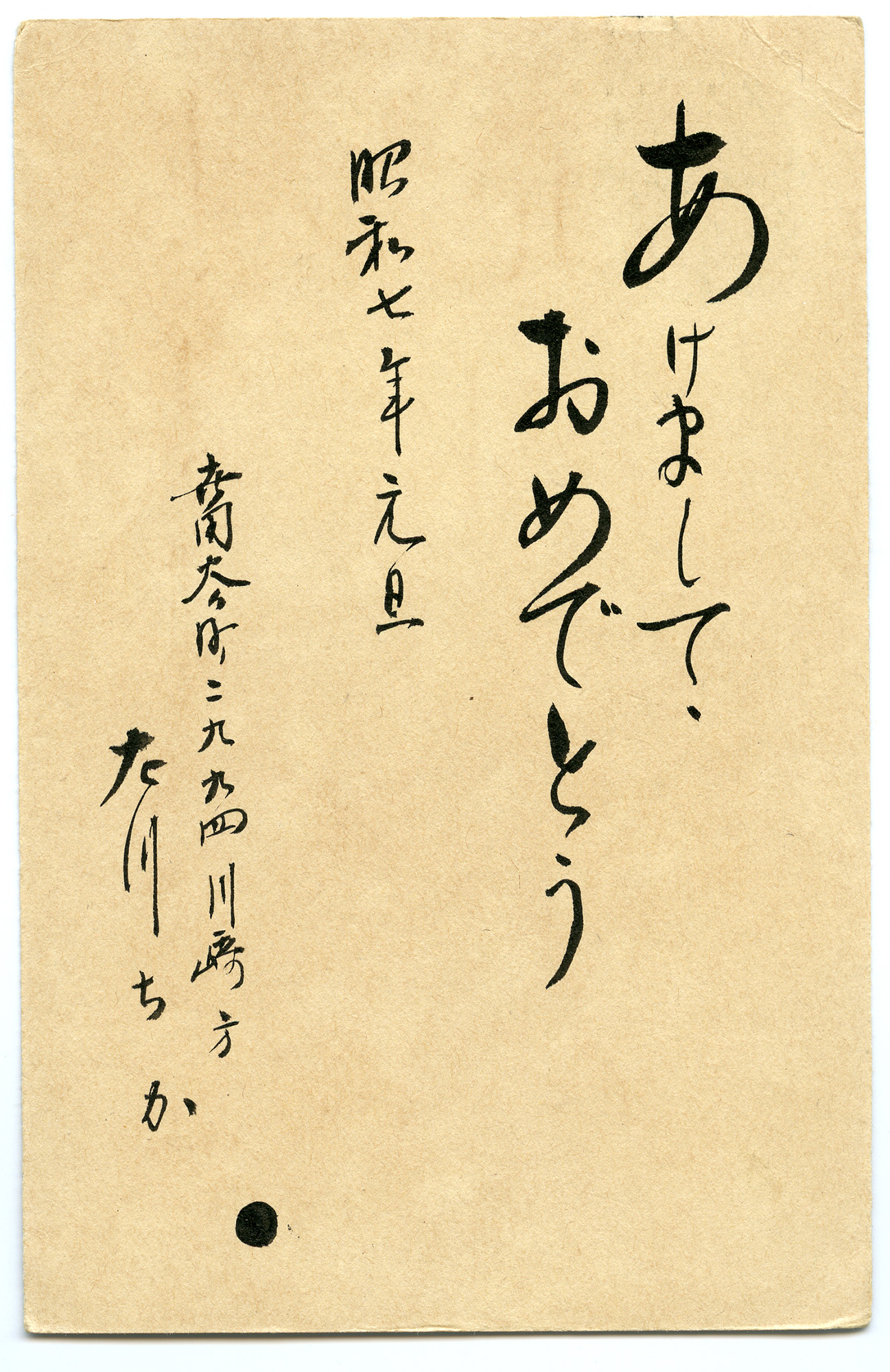
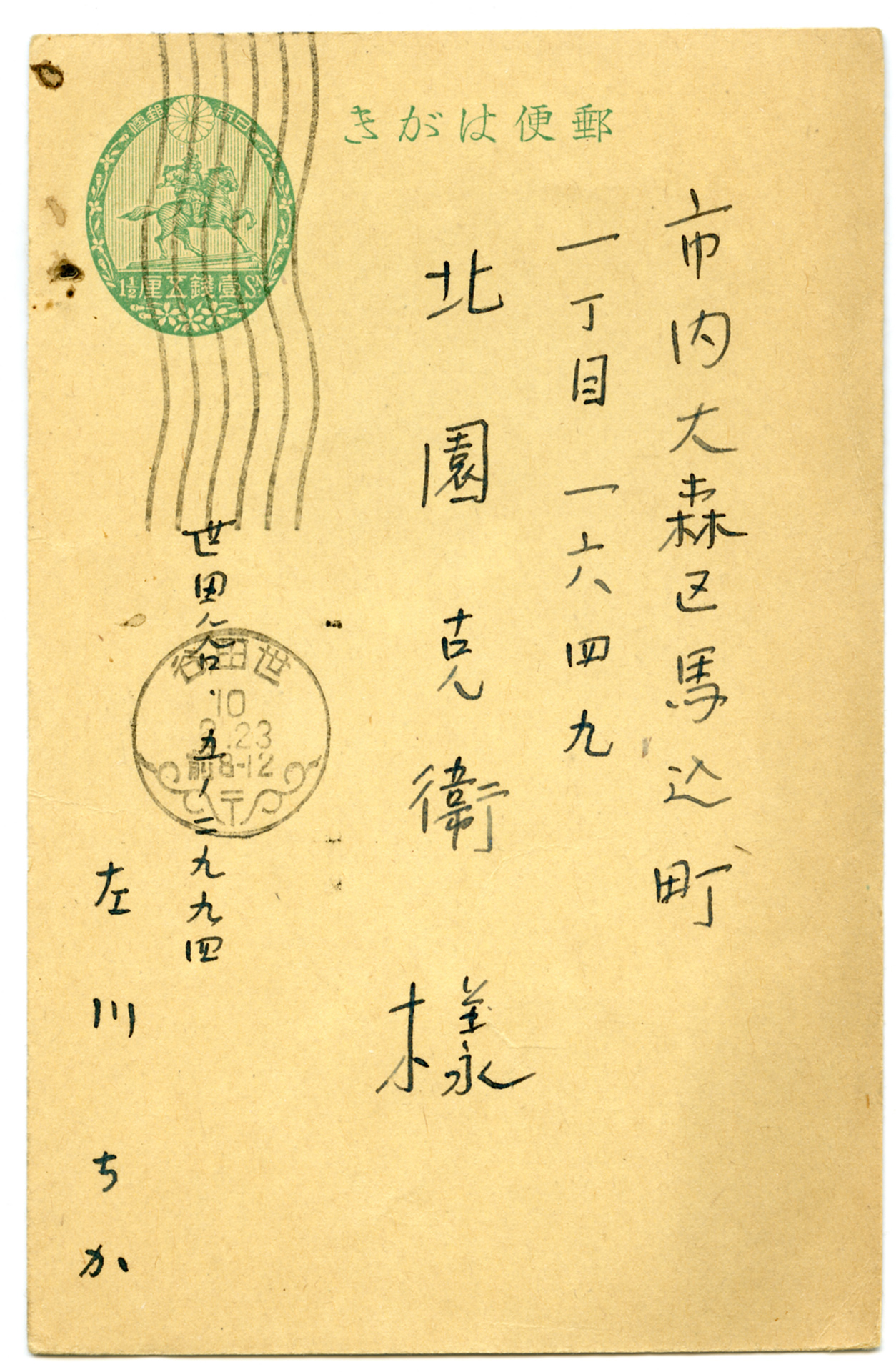
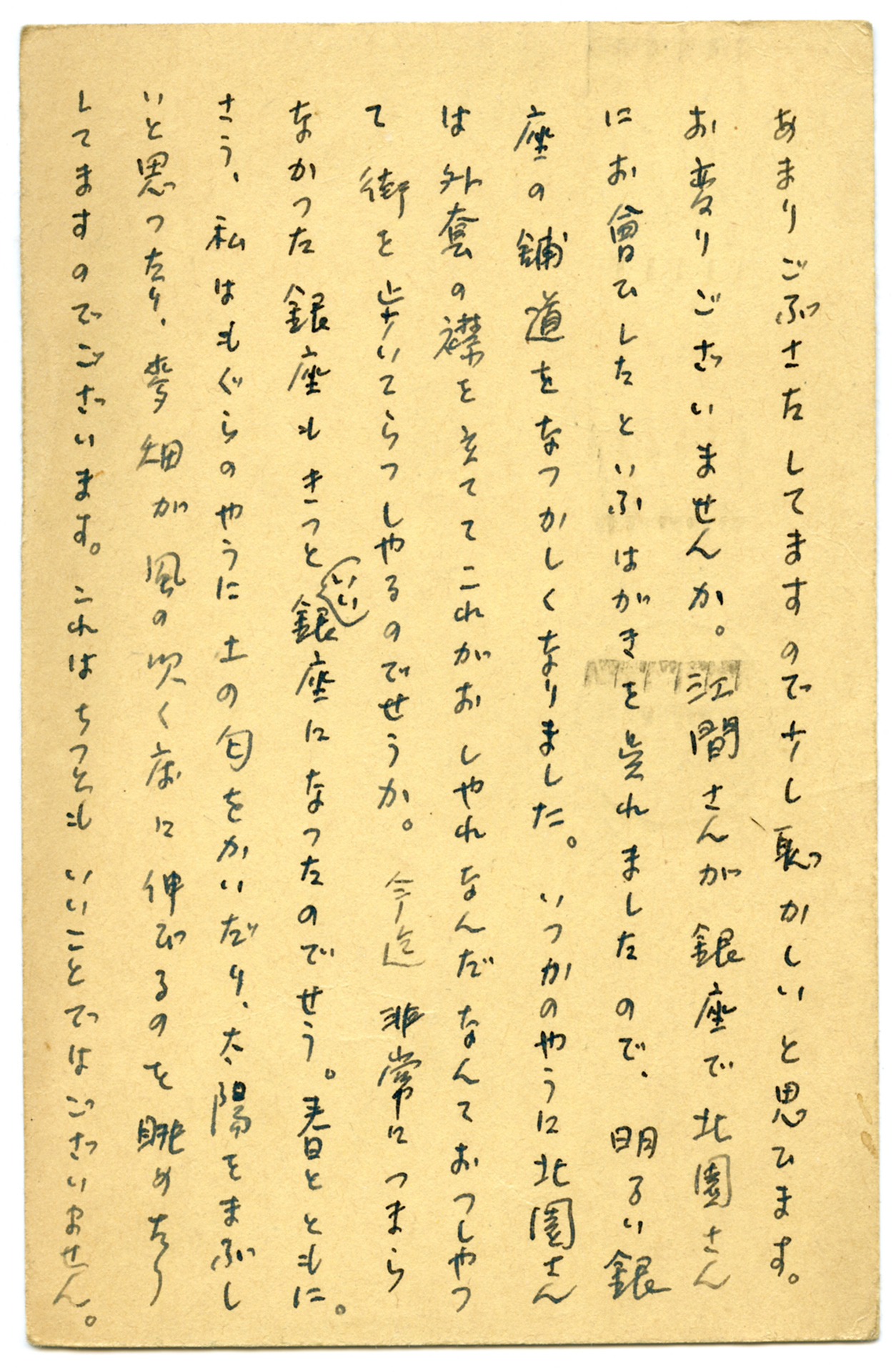
Ema Shoko and My Radiant Dreams
Ema-san is so cheerful and energetic, and she always seems to be having a good time—all the more so whenever I meet up with her in the Ginza district. The reds and yellows of her clothes reflect the bright colors of the city in the background, making Ema-san quite beautiful. Walking beside her, I often catch her humming a tune or keeping time with her fingers. It’s like she’s privy to some special music being played somewhere, one that she alone can distinguish from the noises of the city. She’s the only one who can hear it—I, for one, cannot. Ema-san seems to spend a lot of time in Ginza. Me, I’m much more comfortable in my dark village at night, with the croaking toads and the hooting owls, whereas Ema-san describes her time in Ginza like this: I often run into Jō-san from Bungeihanronsha—I saw Kitasono-san walking around without a hat—I saw Gyō-san; he was so tan he looked black, probably because he plays tennis—I saw Komatsu Kiyoshi-san twice in one day, and then we had tea at Columbin, and Komatsu-san said, “Ema-san you must have gotten married,” and when I asked why he said that, he replied, “because you’ve lost weight,” and that irritated me so much that I snapped at him, that I would be sure to report it to him when I got married…I think he must have been drunk, that Komatsu-san— and as she goes on like that, the season in Ginza opens up wide like a parasol—I can see sidewalks where you can buy a ten-sen pot of flowers; or stores with tanks of tropical fish for sale; or acquaintances who greet me with warm hellos even though I’ve not seen them in a while—thinking about all these lively people makes me want to escape this village that’s so dark it might harbor ghosts, and hop on the rumbling train that will spit me out in the middle of Ginza. Ema-san’s Ginza is a beautiful, musical city with a fast beat, nothing like the hot and shadeless Ginza that I sometimes find myself trudging through.
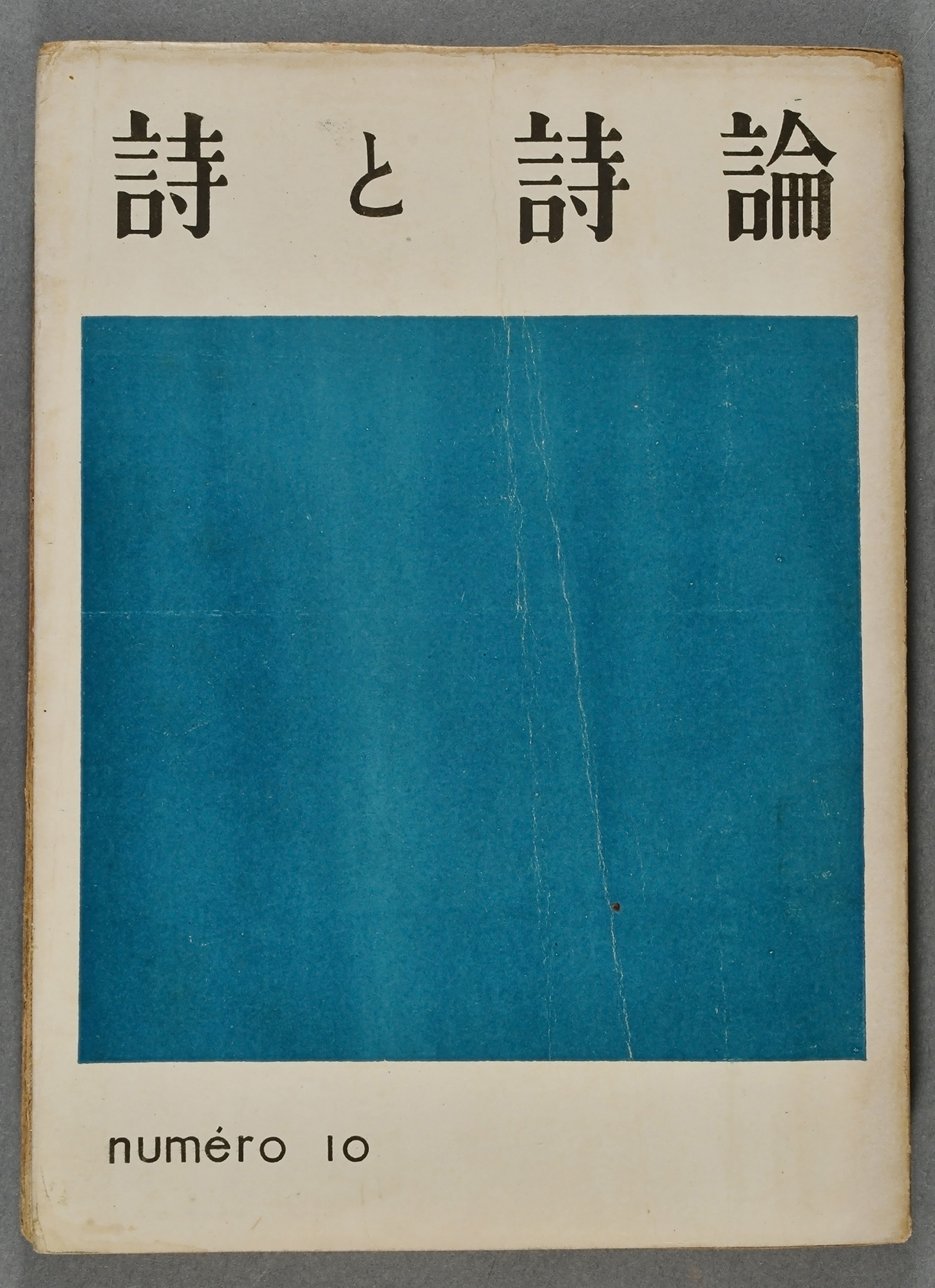
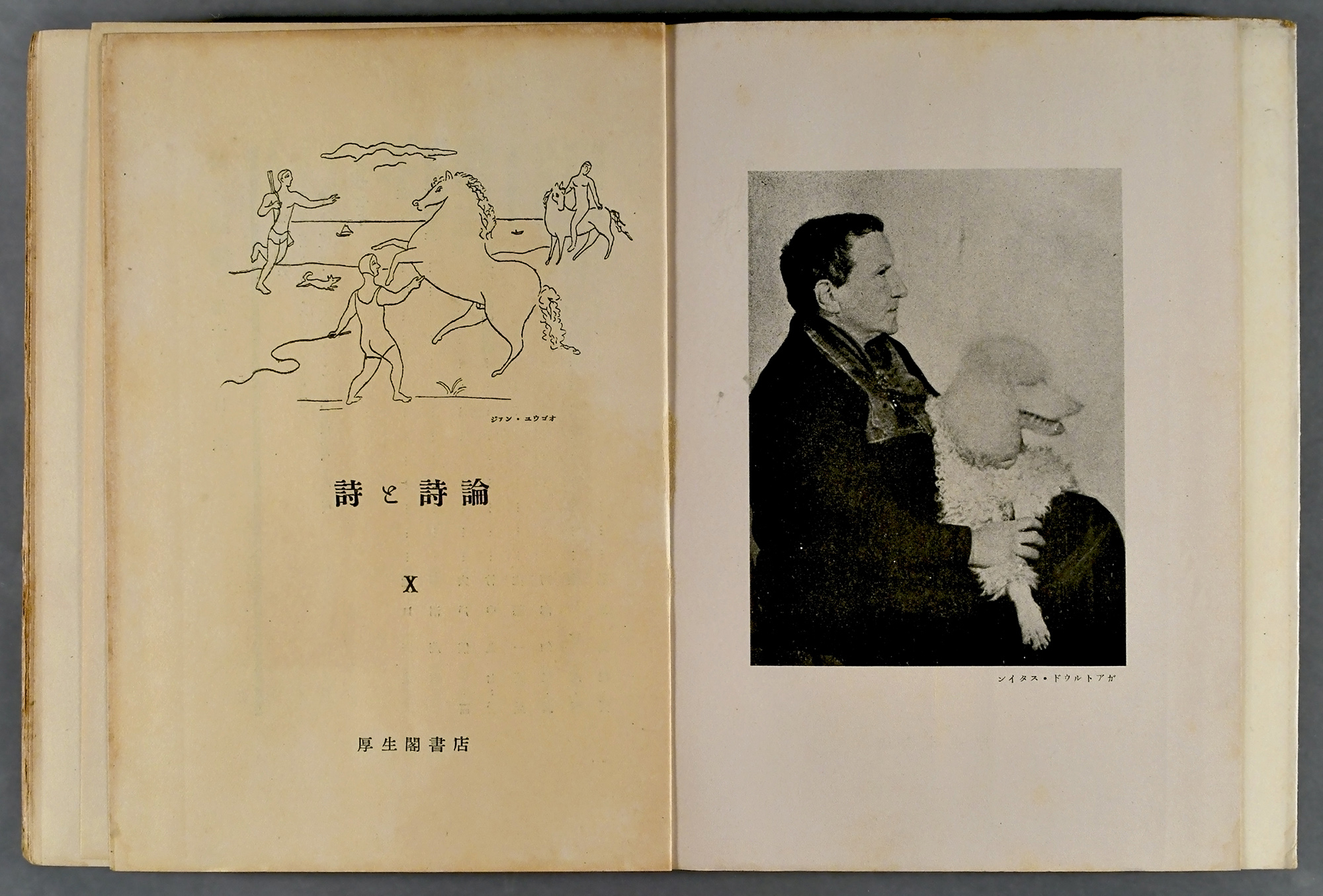
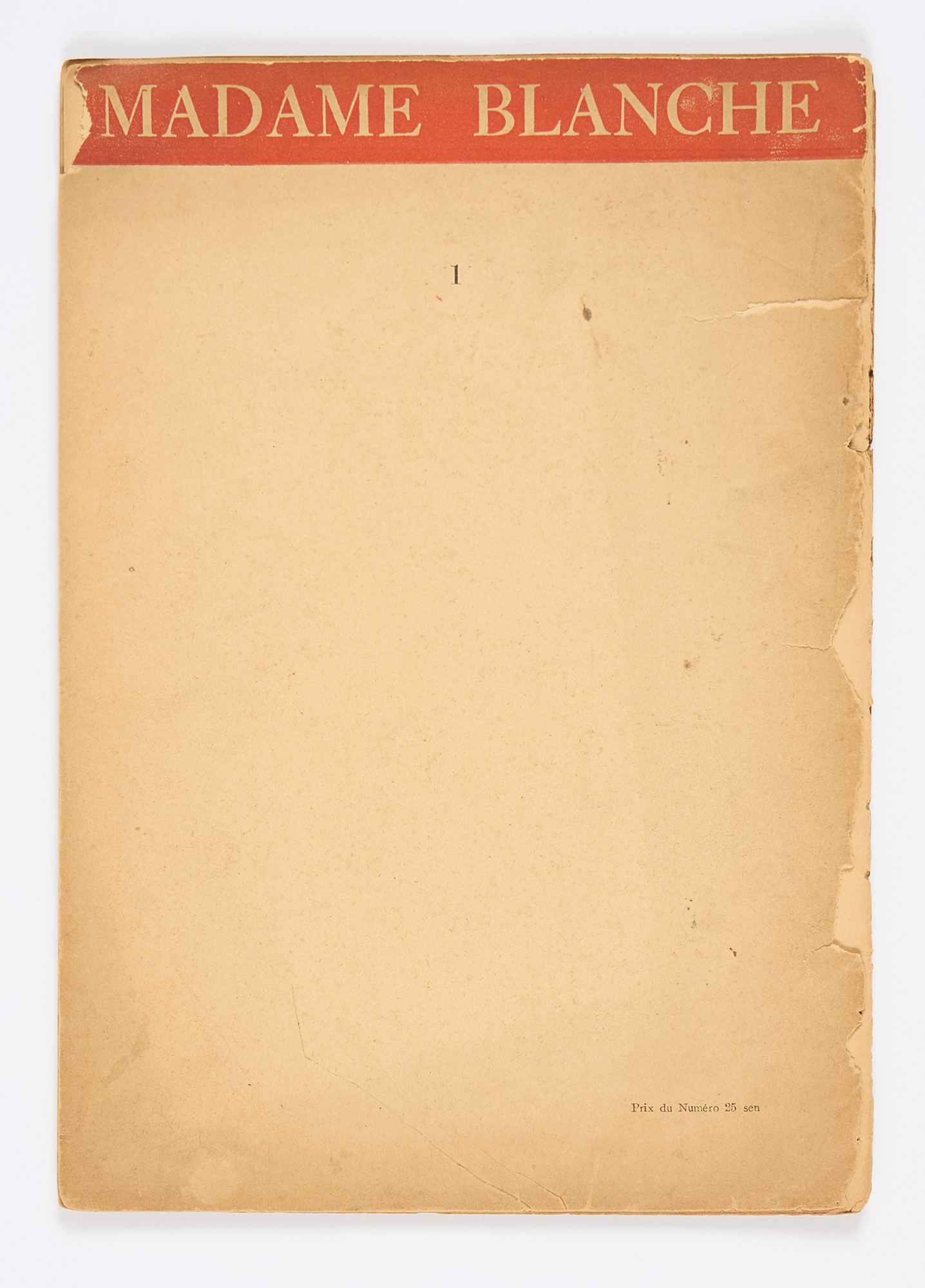
Ema Shōko and Sagawa Chika
Ema Shōko was a long-lived poet who might be called, along with Sagawa Chika, one of the nearly forgotten women modernist poets of Japan. (Her participation in modernism did not win the same level of attention as that of male modernists, nor as much as the women writing in traditional modes.) Still, Ema and Sagawa moved more or less in the same circles, published in many of the same journals and knew many of the same poets. They wandered the city together, though their reactions to it differed. Reading about them one has a sense of their distinct characters, different moods and styles of being, though they shared a mutual appreciation.
Sagawa, for her part, described her friend Ema with images of brightness and good cheer—admiring how “at any moment she seemed about to bounce with her abundant health” that when near her Sagawa too felt that energy spread into her body and voice. When you were with Ema, she seemed to enjoy listening to a special music coming out of the city’s noises that she alone could hear.
Selected Tributes to Sagawa Chika
First printed in the March 1936 issue of Shii no ki (Beech Tree) Vol 5, No 3, designated as a tribute issue for Sagawa Chika.
Note
By Hagiwara Sakutaro
Sagawa Chika was one of the leading women poets in contemporary poetry – her position in the field was like a bright morning star. Her passing is an unspeakably great loss.
※
By Kitasono Katsue
I have already written several times, maybe four or five, about Chika Sagawa’s work and about her person. And if I were to write something anew at this point, it might be to describe just how such a person appeared in my life. It’s not every young poet, and certainly not every talented poet, who reveals as much in their very first poems, the way she did. But it’s often the case that a poet of the highest quality seems to possess, from their very first poem, a completely distinctive quality. This is the kind of poet that was Sagawa Chika. It was around 1929 when she and I met in the editorial offices of the Bungei rebyu (Literary Review), a journal at the vanguard of new literary movements. We were introduced to each other by Kawasaki Noboru, an editor of Bungei rebyu and also her brother. Shortly thereafter, I encountered the lucidity of her poetry. The poems were decidedly simple in form and structure, but I understood immediately the value of her work. We published her in our group’s journal, Hakushi (White paper/blank slate), and she became a member of the group by that name. From there she alighted, steadily on the path to becoming a significant poet, highly admired. She walked this path—from a joyful early period, to an uncertain midday, to a night of pain. Across time and place, on a tragic path walked by singular poets—she, too, walked that path. I think about these things at the same time that I feel a white and endless distance.
Graceful thinking
By Nishiwaki Junzaburo
Sagawa Chika has passed away. I believe I have met her once, and I have read her poems. There is a great honesty to her poems—they have a kind of poetic heat at the core, and they are absolutely not mechanically or carelessly constructed. There is a true sense of life here. Even though she was a woman, I believe there was an extremely intellectually clear and graceful thinking that gave life to her poems.
Memories of Sagawa
by Ema Shoko, translated by Miryam Sas
Sagawa hated sashimi, but she liked mitsumame, sweet bean desserts. Once, we went out, just the two of us, to a mitsumame shop often frequented by Mr. (Masayuki) Jō of Bungei Hanron (Literary Discussion, a journal).
At that shop, Sagawa said she was interested in Le Grand Jeu and she very much admired Françoise Rosay who appears in that film. It would be nice to know everything like she does, Sagawa said.
On one evening when she witnessed a fire in Ginza, Sagawa confided in me, “I’ll definitely write a novel.” The novel would have a scene on one of those mornings where, at dawn in the northern country, a light snow disperses like powder on top of frozen snow. She told me she was thinking of writing about something like a rendez-vous at dawn on a morning like that, at the hour when you can still see the moon. “Not about the meaning of ‘life,’ but the kind of novel that melts immediately like ice cream when you put it on your tongue,” she told me.
Soon, that kind of cold winter will be over, and it will probably be a warm spring; I think Sagawa loved the strawberries that come out in spring. If she hadn’t become ill, she would probably have phoned me to make a plan to get together, and while eating strawberries, perhaps would have told me she had begun to write that novel after all.
Remembering Sagawa Chika
By Yamanaka Fumiko
I first encountered Sagawa Chika’s work about four or five years ago—it felt like the light of daybreak was suddenly dancing in front of my eyes, a beautiful excitement riding in on wings of glass. There was so much freedom and freshness in the colors that trickled into my then-young heart; it so inspired me. I still recall fondly the bright and lively impression it made. The poem was titled “Departure.” Since then we have had the pleasure of reading numerous fine and elegant poems, and esteemed people have discussed them at length.
I have never met Sagawa in person, but through her work, and through my envisioning her taciturn and elegant acuity, I intuitively see her face as it appears in the eyes of my heart. If I close my eyes to that northern sun shining brightly above the clouds, I am filled with regret for the heaviness of her heart in that pureness of air. Because I was never blessed with the opportunity to meet her in person, my simple vision of her, no matter how far-fetched from reality, shall remain framed for eternity, preserved behind my eyelids.
And those poems, cut at such distinct angles.
Her work resounds with an extraordinary music, in which the intensity of her sensibility comes to merge with the heat of her flesh: the air inside was fragrant and lively, and a lucidity emanated from her unique and dignified manner. But there were times when I lost sight of her as she sped through the maze of color in the forest thick with new growth, perhaps because we were both so young.
In her life, the propeller she spun changed the air in myriad ways, stirring a joyful wind that made way for a fitting abundance of material quantity that is her inner mindscape. Although at times it seemed that she herself might get entangled in these vibrations, her spiritual stance was such that the beautiful logic that emerged from the gathering together of this abundant and delicate content would not be broken. Powerfully, at all times.
Her architectural processes have been deftly repeated—I am interested in considering her work more deeply into the future. My feeling of despair because of her sudden death is by no means small. My heart is full of unspeakable sorrow thinking about the passing of Sagawa Chika. It might be a pointless thought, but I felt quite encouraged to count such a brilliant poet like Sagawa Chika as one of my own gender. The more I think of her, the more my sadness grows.
初出は1936年3月発行『 椎の木』5巻3号、左川ちか追悼号、と企画された。
手簡
萩原朔太郎
左川ちか子氏は、最近詩壇に於ける女流詩人の一人者で、明星的地位にあつた人であつた。この人が死んだことは、何物にもかへがたく惜しい気がする。
※
北園克衛
左川ちかの作品やその風貌に就いて、僕はこれまで幾度か書いた。多分四五回も。で今改めて書くとしたら、彼女がどんな風に僕の前に現はれたかを書くことが唯一のものかも知れない。すべての若い詩人が、そして素質の良い詩人が、こんな風にその最初の作品を示すとは限らない。然し屢々最良の詩人はその最初の一篇から完全な独自性を持つてゐる場合が多い。左川ちかはさうした詩人の一人であつた。一九二九年頃彼女と僕とはその頃新しい文学運動の一つの前衛であった『文芸レビュー』の編輯室で彼女の令兄であり『文芸レビュー』の実際の編輯者であった川崎昇氏の紹介で会つた。そして間もなく僕は彼女の明快な詩に遭遇した。それは極めて単純な形式と構造を持ったものであったが、僕はすぐにその作品の価値を理解した。そして僕達のその頃の機関誌であつた『白紙』に発表し、そして彼女は『白紙』のグルウプのメムバアに加つた。彼女はそこから堅実なそして価値高い詩人としての生涯を発足した。彼女は愉しい早期から、不安な正午へ、そして苦痛に充ちた夜への道を歩いた。古今東西を通じてユニイクな詩人が歩くところのそれは悲壮な道をーー彼女も亦歩いた。と、僕はそんな風に考へ、白い果てしない距離を感じる。
気品ある思考
西脇順三郎
左川ちかさんがなくなられたが、確か一度おめにかかったやうに思はれます。しかし時々はその詩を読みました。とにかく、非常に素直な詩であるが、真から何者か詩的熱力をもっていられて、決していい加減に人工的に作られているものでなく、本当に詩に生きていられた感じがあります。そして非常に女性でありながら理知的に透明な気品のある思考があの方の詩をよく生命づけたものであると思われます。
左川さんの思ひ出
江間章子
左川さんはお刺身は大嫌ひで、蜜豆を好きでした。一度、文芸汎論の城さんがよくいらつしやるといふ蜜豆屋へ二人で出掛けたことがございました。
左川さんは「外人部隊」がおもしろかつたと言つて、あれに出たフランソワーズ・ロゼエをとても賞めてました。あのやうに、何んでも知つてゐるといふのはいい、と言つて。
左川さんは銀座で火事を見た晩に、「私はきつと小説を書く」と話して下さいました。その小説は、明け方、恰度北国では、凍つた雪の上に粉のやうに軽るい雪が、ふりまかれてゐる朝がありますが、そのやうな明け方、まだお月様が見える頃、ランデヴウするといふやうなものを書きたいと思ふ、と言つて、「人生とか何とかでなく、甘まい、アイスクリームのやうに、舌の上に乗せるとすぐ融けてしまふやうな小説を」と話して下さいました。
もうすぐ、このやうな寒い冬は過ぎて、あたたかい春になるでせう、左川さんは、春出て来る苺もとても好きだつたと思ひます。左川さんは病気なんかになかつたら、いつものやうに私の処へ電話をかけて、待合はせて、苺を食べながら、小説を書きはじめたことを話して下さつてたかもしれません。
左川氏を憶ふ
山中富美子
四五年も前の事です。私が初めて左川氏の作品に接する事の出来たのは、ガラスの翼にのせた美しい昂奮をもたらして突然目の前にをどり出たこの夜明けの日光は、いかに自由な新鮮な色彩をしたたらして幼稚なその当時の私の心を刺戟した事でありませう。あざやかな生き生きとしたその印象は今も胸に思ひ浮びます。その詩には”出発“と題してありました。
爾来好ましい格調をもつた数々の佳篇が私達の前に示されましたがそれらについての論議は多くの尊敬すべき人々によつて最早なし尽されて居ります。
左川氏と私とは一度も相見る時がなかつたのですけれど、その作品をとほして、無口なそして典雅な鋭さを想像する事によつて心の眼の内に浮び出る氏の面影を、私は直覚していました。雲の上のあきらかなあの北方の太陽について、瞳を閉じると、清浄の空気の内におかれた氏の心臓の重みが、悵しく感じられます。
最後までつひに私は氏と面接する機会に恵まれなかつたのですから、そのため素朴な私の想像が抱いたイメージはたとひそれが真実からかけ離れたものであつても、永久の額ぶちにそのままふちどられて私の瞼のうちに保たれるでありませう。
そしてあの独特な角度に切られた氏の作品。
非凡な音色を高くひびかしながら、そのうちに氏の強烈な感性は氏の肉体の体温と溶けあつてきましたが、内部の空気は生き生きと匂つて、その独自の端正な態度から明快に感じられました。けれど時に又私は、茂つた新しい森の中をはしるあの多彩な迷路のうちに氏を見失なはなければならなかつたのは、お互ひの年齢の若さの故でありませうか。
生前、氏が廻転させたプロペラはいろいろな空気をふるはせ、そこには適度に豊富な、心象の物質的な量を生み出さうとする楽しい風がまきおこりました。時には氏自身がその波動の中に巻き込まれるやうな事があつても、氏の精神はそれら多くのデリケートな内容があつまつてつくり出す美しい秩序をこはさぬやうに姿勢していました。力強く、どの瞬間においても。
そして氏の建築法は軽妙にくりかへされてきましたが、私はさらに未来を思ふ事によつて興味を深め様としました。今、氏の急逝にあつて私の抱いた失望は決して軽いものではありません。私の胸は云ひあらはせぬ哀惜の思ひを亡き氏に対してささげて居ります。
無意味な考へ方かもしれませんが、同性の中に左川氏のごとき秀れた詩人を有した事をどれほど私は心強く感じていたでありませう。
私は、色々と思ふほど寂しくなります。